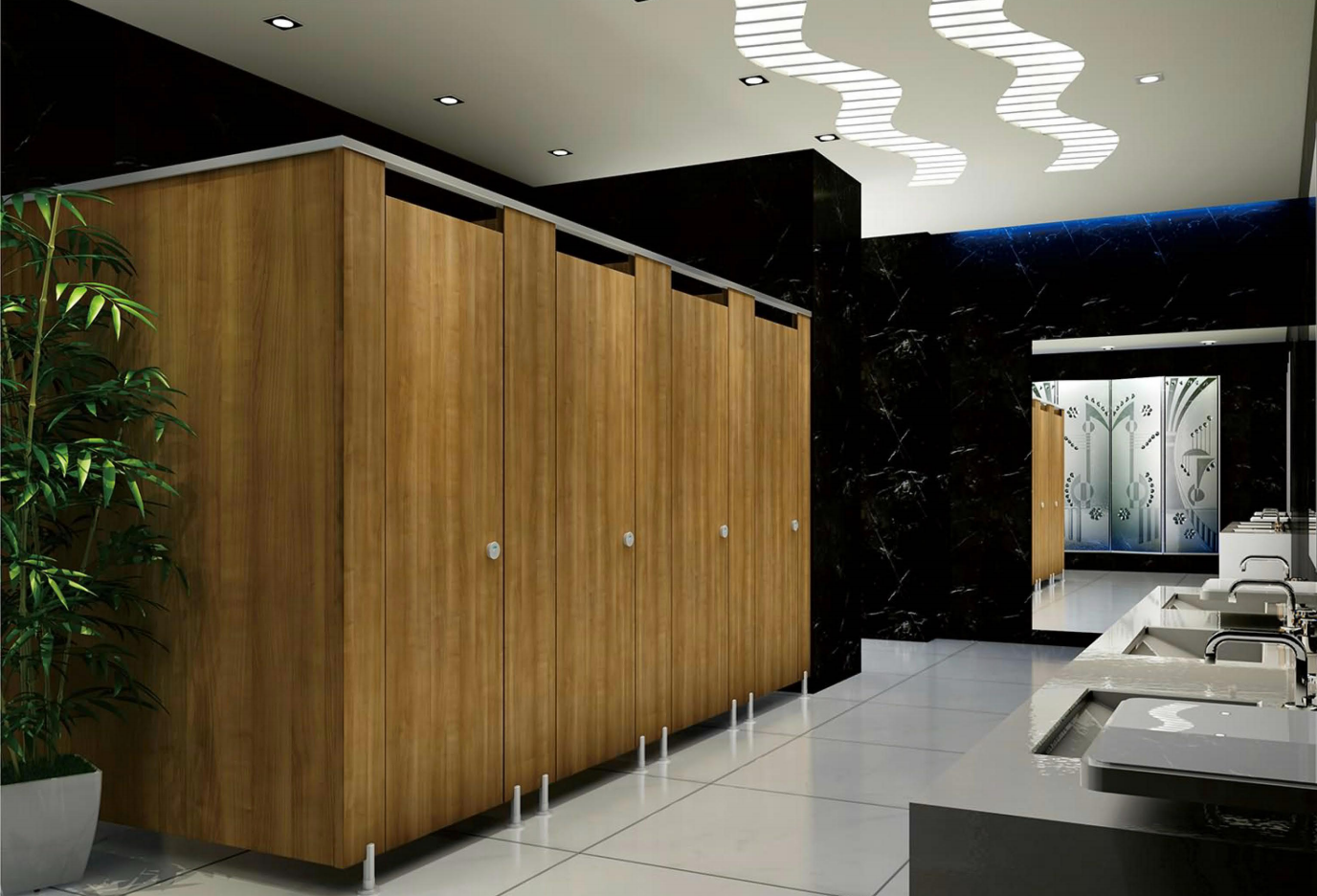


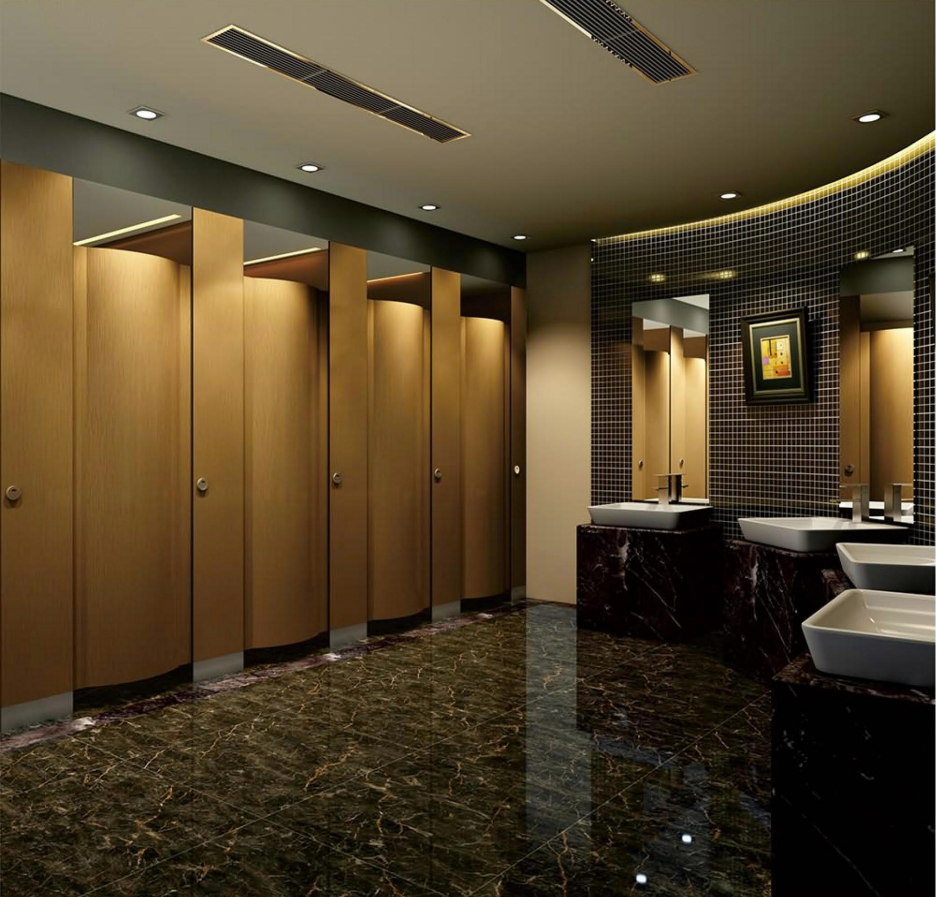
High-Pressure Laminate (HPL) is renowned for its incredible durability and resistance to wear. However, like any commercial surface, proper maintenance is key to preserving its appearance and extending its lifespan.
Because HPL is non-porous, it is incredibly easy to clean. Here are the best practices from the SMG quality control team to keep your washroom cubicles looking brand new.
Daily Cleaning Routine
For regular sanitation, simple is best.
- Use Mild Soap: A solution of warm water and mild dish soap is usually all you need. Wipe the panels down with a soft cloth or sponge.
- Rinse and Dry: After wiping, use a clean damp cloth to remove any soapy residue. Then, dry the surface with a soft towel or microfiber cloth to prevent water spots and streaks.
- Use Disinfectants Carefully: Standard commercial restroom disinfectants are fine, but always follow the manufacturer's instructions. Do not let harsh chemicals sit on the surface for extended periods.
What to Avoid
To prevent permanent damage to the laminate surface, strictly avoid the following:
- Abrasive Cleaners: Never use scouring pads (like steel wool), abrasive powders, or strong bleaching agents. These will scratch the protective top layer of the HPL.
- Sharp Objects: Avoid using razor blades, metal scrapers, or knives to remove graffiti or stubborn stains. Use a plastic scraper instead.
- Acetone or Solvents: Nail polish remover, paint thinners, and other harsh solvents can melt or discolor the resin in the laminate.
Removing Stubborn Stains
If regular soap and water aren't enough, try these safe alternatives depending on the stain:
- Ink or Marker: Use a cloth dampened with rubbing alcohol (isopropyl alcohol) and wipe gently.
- Hard Water Stains: Use a mild vinegar and water solution (1:1 ratio) to dissolve mineral deposits.
- Grease or Oil: Use a degreaser specifically formulated for laminate surfaces, or a small amount of baking soda paste.
Inspecting the Hardware
While the HPL panels are virtually indestructible, the hardware can loosen over time due to constant use. Once a month, perform a quick check:
- Tighten any loose screws on the hinges, latches, and brackets.
- Check the door alignment. If a door is dragging, adjust the top hinge to prevent stress on the panel.
- Lubricate the hinge pins with a silicone-based lubricant to ensure quiet operation.